17 Aug 2026
Blog
What BGIS and BMPS 2026 Tell Local BGMI Players About Preparation
BGIS and BMPS are more than headline tournaments. Their 2026 cycle gives local BGMI players practical lessons about consistency, squad roles, pressure, and preparation.
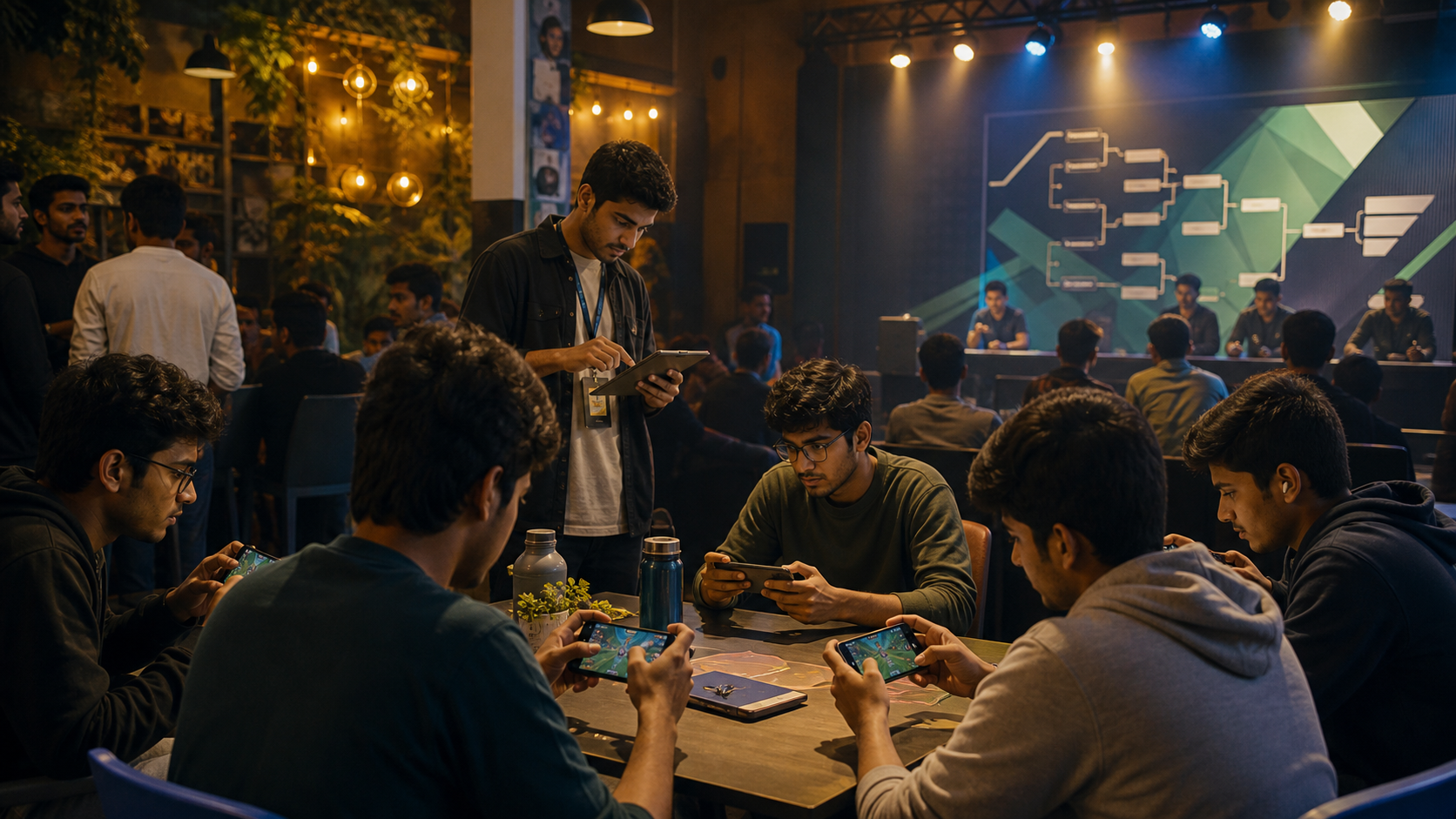
BGIS and BMPS sit near the center of India's BGMI conversation because they give players a visible dream. A young squad watching a major final is not only watching entertainment. They are studying possibility. They see team discipline, late-game patience, role clarity, emotional control, and the brutal cost of one bad decision.
The useful question is not simply who won. The better question is what local players can learn from the structure around these events. If a community player wants to improve, BGIS and BMPS should become more than highlights. They should become study material.
Why Major BGMI Events Matter to Small Squads
A major event creates a standard. It shows how carefully teams prepare, how long matches are reviewed, how important communication becomes, and how quickly momentum changes. Local squads often underestimate this. They may think tournaments are decided by aim alone, but larger events reveal a wider truth.
Good BGMI teams survive because they reduce chaos. They know who speaks first during rotations. They know when the entry player should commit. They know when support must smoke, when the scout should stop taking unnecessary risks, and when placement points matter more than a risky fight.
The Preparation Gap
Many local squads enter tournaments with talent but no routine. They play classic matches, win some fights, lose some fights, and call it practice. That is not enough. Practice becomes useful only when it has a purpose.
A serious squad should divide practice into phases. One day can focus on drops. Another can focus on zone reading. Another can focus on late-game utility. Another can focus on communication under pressure. The point is not to play more randomly. The point is to build repeatable reactions.
Drop Location Discipline
BGIS and BMPS level teams rarely treat drop spots casually. They understand loot routes, vehicle options, neighboring teams, rotation lanes, and fallback plans. Local squads should copy the discipline, not the exact location.
Pick two or three preferred drops. Learn the fastest loot path. Decide who grabs vehicles. Decide what happens if another team contests. Decide when to leave. A team that spends five minutes arguing after landing has already lost tempo.
Role Clarity Wins More Than Loud Calls
Every squad needs a voice, but every player should not speak with equal urgency at the same moment. The in-game leader should guide macro decisions. The scout should give information without overcommitting. Entry players should create openings but not throw themselves away. Support players should think about smokes, revives, trades, and stabilizing fights.
Role clarity does not mean players become robots. It means the squad knows what each person is responsible for when the match becomes messy. That is when structure matters most.
How Local Squads Should Review Matches
After a bad result, weak teams blame. Better teams review. A useful review asks specific questions. Did we rotate too late? Did we fight without cover? Did we use utility before crossing? Did our scout die with no trade possibility? Did we chase kills when placement was available?
One simple method is to review only three moments from each match: the drop, the first rotation, and the final fight or elimination. This keeps review focused and prevents arguments from becoming personal.
Tournament Nerves Are Trainable
Large events show pressure clearly. Teams can dominate early and collapse late. Players can miss simple shots when the stakes rise. This is normal. The answer is not motivational shouting. The answer is exposure.
Local tournaments are useful because they create small doses of pressure. A squad that plays many fair events learns how to wait, breathe, reset, and execute under tension. That is why consistent community tournaments matter even when prize pools are small.
Why Result Verification Builds Better Habits
A serious tournament forces players to care about evidence. Screenshots, match IDs, kill counts, rankings, and player details all matter. This may feel administrative, but it creates discipline. Players learn that competition is not only about the match. It is also about accountability.
For organizers, clean result systems protect everyone. They reduce disputes, help prize distribution, and make leaderboards trustworthy. For players, they create a record of improvement.
Key Takeaways
BGIS and BMPS are not only entertainment. They are examples of what structure looks like at a higher level.
Local players should copy preparation habits, not just highlight plays. Drop discipline, role clarity, review habits, and emotional control matter as much as aim.
Community tournaments are the bridge between casual play and serious competition.
Conclusion
The best lesson from BGIS and BMPS is simple: preparation makes talent useful. India has no shortage of talented BGMI players. The squads that grow fastest will be the ones that build routine, trust each other under pressure, and learn from every tournament instead of only celebrating wins.