22 Aug 2026
Latest Esports News
BGMI 2026 Roadmap: What Indian Players Should Watch Before The Next Big Season
A practical reader-first breakdown of KRAFTON India's 2026 esports roadmap, what it means for BGMI players, and how local squads can prepare before the next competitive season begins.
Introduction
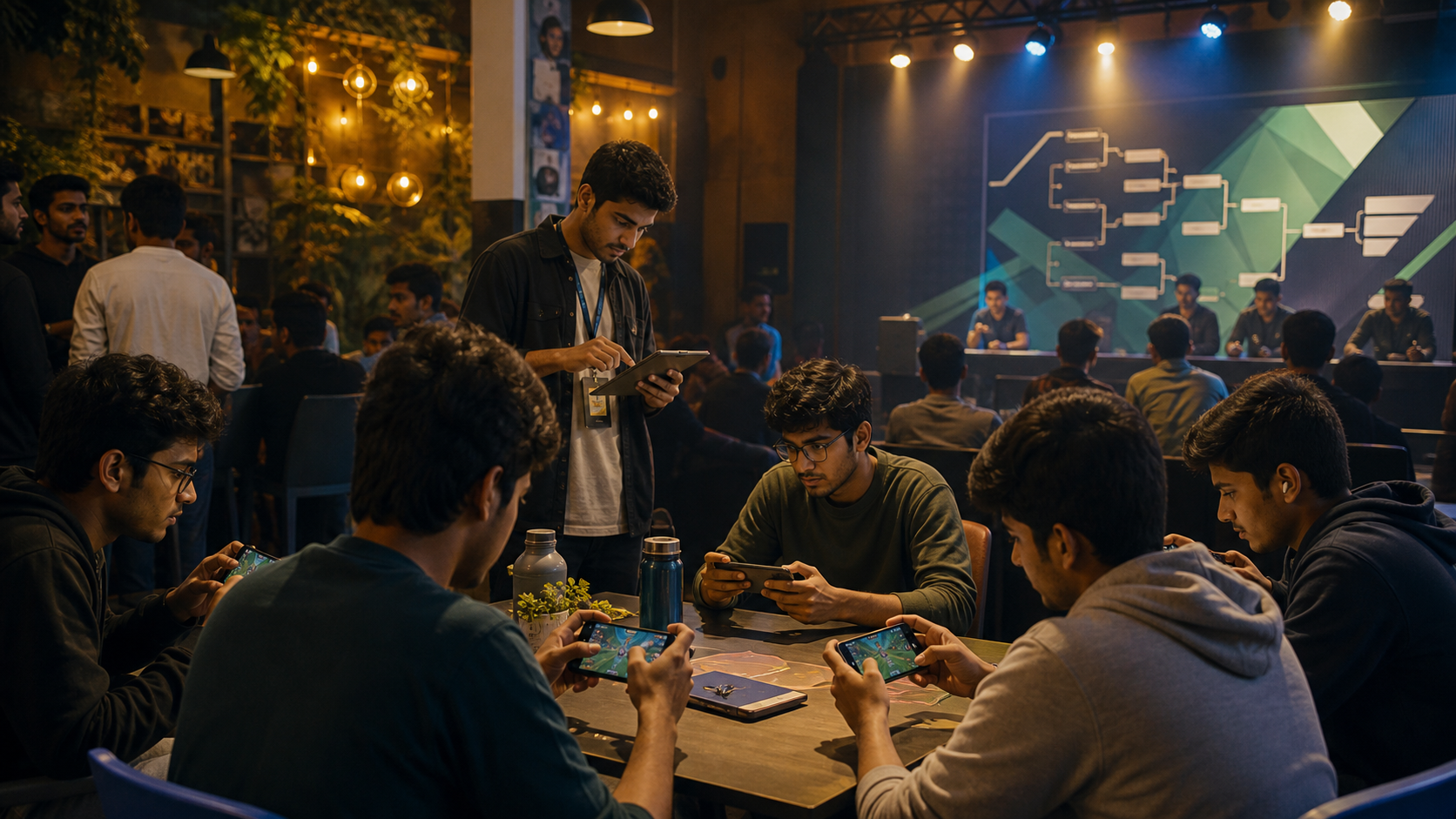
BGMI is no longer just a mobile battle royale that people open after school, college, work, or dinner. In India, it has become a competitive ladder, a creator engine, a local-tournament habit, and for some players, a serious career ambition. That is why KRAFTON India's 2026 esports roadmap matters beyond one headline announcement.
The roadmap points toward a wider competitive calendar, stronger flagship events, more city-level attention, and a clearer path from local talent to bigger stages. For players, this is useful only if they understand how to prepare. A tournament announcement is exciting, but a disciplined player asks better questions: what format might reward consistency, what skills should a squad build early, how should roles be fixed, and what kind of match evidence should be saved before qualifiers arrive?
This article explains the roadmap from a player and community point of view. It does not promise slots, dates, rewards, or selections beyond what official communication confirms. Instead, it turns the public direction into a preparation guide for Indian BGMI teams.
Background
KRAFTON India has described BGMI as one of India's leading mobile games and has repeatedly positioned esports as a major pillar of the ecosystem. The 2026 roadmap announcement mentioned expanded flagship esports properties such as BGIS, BMPS, BMSD, and BMIC, with an emphasis on bringing competition closer to fans across Indian cities. That matters because Indian esports grows fastest when online qualifiers, city communities, creators, organizers, and spectators all feel connected to the same ladder.
For regular players, the biggest signal is simple: organized BGMI competition is becoming more structured. A more structured calendar usually rewards teams that prepare early rather than squads that form one week before registration. It also rewards players who understand documentation, fair play, communication, stable lineups, and match review.
Why The Roadmap Matters
The most important benefit of a roadmap is predictability. When players know that major esports activity is expected through the year, they can train in phases. A squad can spend one month improving drops, another month improving rotation calls, another month fixing end-zone discipline, and another month playing practice lobbies under pressure.
For local organizers, the roadmap gives a theme around which smaller events can be planned. If the national scene is moving toward stronger BGMI competition, local rooms and community tournaments become useful stepping stones. A small tournament may not look glamorous, but it can teach teams how to check in on time, follow rules, control nerves, and perform when someone is watching.
For fans, the roadmap gives storylines. Indian esports becomes easier to follow when people can track teams across seasons, cities, qualification phases, and international ambitions.
What Players Should Prepare First
Build A Stable Four-Player Core
BGMI squads often lose progress because the lineup changes too often. A new player can bring skill, but every change resets communication. Before a competitive season, teams should decide roles clearly: entry, support, scout, IGL, and backup caller. The labels do not need to be fancy. What matters is that everyone knows who speaks first during pressure.
Track Your Match Data
Even amateur teams should keep basic records. Write down placement, kills, survival time, drop location, first death reason, and final-zone decision. Ten recorded matches can reveal more than a hundred emotional arguments after a bad game.
Practice Rule Reading
Many teams are mechanically strong but weak at tournament discipline. They miss deadlines, misunderstand room timings, use unapproved names, or fail to submit details properly. If BGMI competition becomes more structured, rule literacy becomes a competitive advantage.
Improve Device And Network Reliability
A player does not need the most expensive phone to compete honestly, but the setup must be stable. Charge before matches, close background apps, test headphones, check ping, keep a backup internet plan if possible, and join rooms early. These habits sound small until a team loses a match because one player was reconnecting during the first rotation.
What Local Teams Can Learn
The roadmap should push local squads to behave like developing teams, not temporary groups. That means scheduling practice, reviewing mistakes calmly, avoiding blame culture, and learning from stronger opponents. A team that loses but documents why it lost is ahead of a team that wins one lobby and learns nothing.
A practical weekly plan can look like this:
- •Two days for drop and loot route practice.
- •Two days for scrims or tournament rooms.
- •One day for VOD review and role discussion.
- •One day for aim, recoil, throwables, and clutch drills.
- •One rest day to avoid burnout.
Impact On Indian Esports
The Indian BGMI audience is large, but a healthy esports scene needs more than numbers. It needs trust. Players must trust that competitions are fair. Fans must trust that results are real. Organizers must communicate clearly. Teams must respect rules. Sponsors and partners must see professionalism.
A stronger roadmap can help all of this, but only if the community treats it seriously. The next step for Indian BGMI is not only bigger finals. It is better grassroots behaviour.
Key Takeaways
The 2026 roadmap is a signal that BGMI competition in India is moving toward a broader, more organized phase. Players should prepare now by stabilizing teams, tracking data, reading rules, improving communication, and treating local tournaments as real practice.
The teams that benefit most will not be the loudest teams online. They will be the teams that prepare quietly, review honestly, and stay ready before registration opens.
FAQ
Is this article announcing new BGMI tournament dates?
No. This article explains preparation lessons from the public roadmap direction. Players should always follow official KRAFTON India and tournament channels for confirmed dates, registration rules, and eligibility.
Should new players wait for big tournaments?
No. New players should start with local rooms, community events, and small tournaments. Those matches build confidence and teach tournament discipline.
What is the biggest mistake amateur BGMI squads make?
The most common mistake is changing teammates too often without fixing communication problems. Stable roles and honest review usually improve results faster than constant roster changes.
Conclusion
BGMI's next competitive phase can be valuable for Indian players if they treat the roadmap as a preparation window. The smart move is to start early, build habits, and enter the next season with structure instead of last-minute excitement.