18 Aug 2026
Blog
BGMI Beginner Tournament Pathway: How New Indian Players Should Start Competing
A practical pathway for new Indian BGMI players who want to move from casual matches into community tournaments without rushing, copying bad habits, or risking unsafe events.
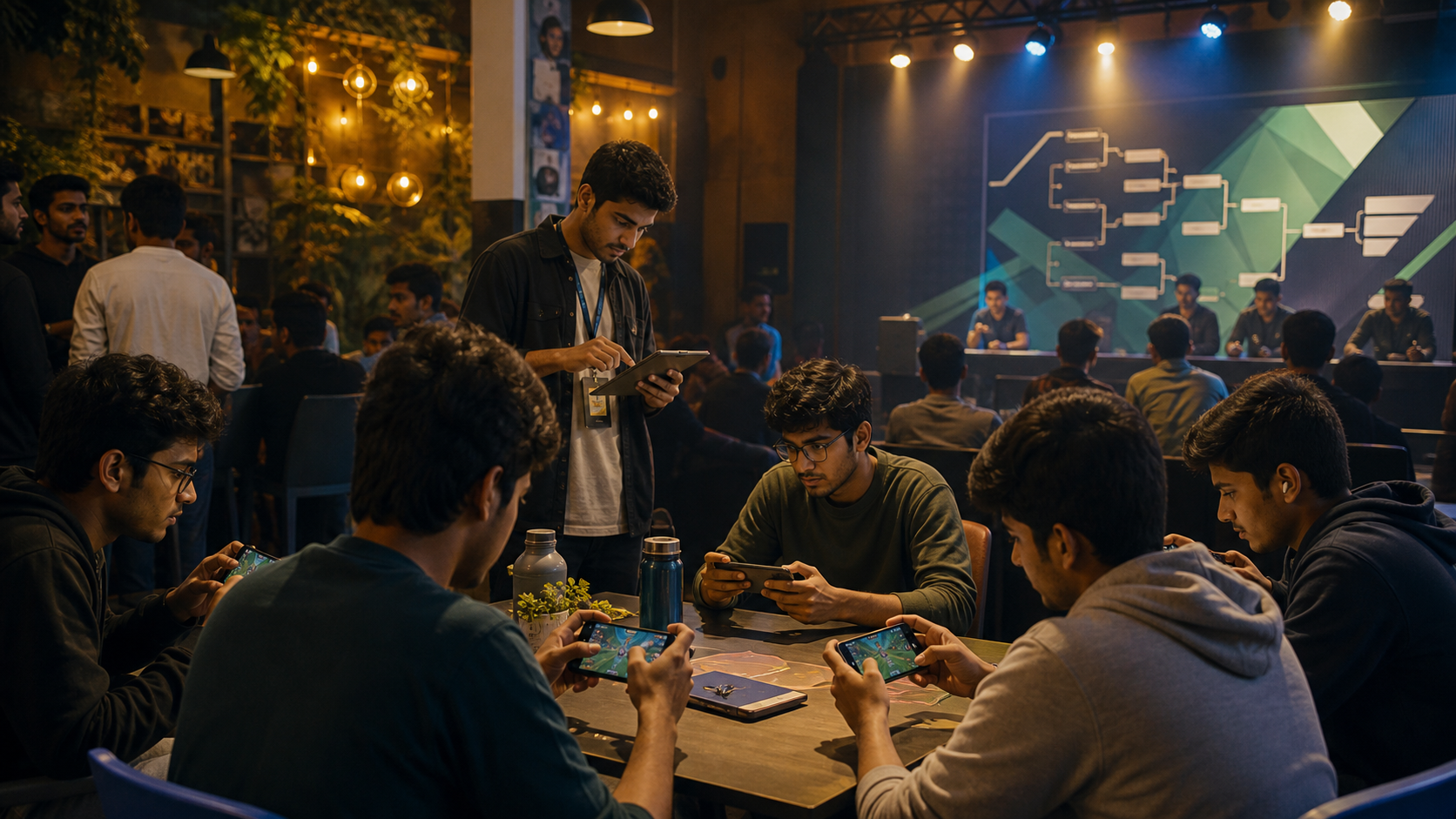
A new BGMI player does not need to jump straight into the biggest tournament on the calendar. The better route is slower, safer, and more useful: learn the game, understand tournament rules, build repeatable habits, play smaller events, review mistakes, and only then chase bigger stages. That pathway sounds simple, but many beginners skip it and end up frustrated.
India has a huge mobile gaming base, and that is a strength. It also means new players see tournament posters, prize pools, WhatsApp groups, highlight clips, and creator claims every day. The pressure to register quickly can be strong. A serious player should pause and ask a better question: am I ready to compete in a way that teaches me something?
Start With Skill, Not Hype
Tournament BGMI is different from casual BGMI. Casual matches allow loose decisions because the emotional cost is lower. Tournament matches punish confusion. A late rotation, weak communication, bad drop choice, or careless revive can end the match quickly.
Beginners should first build a base around movement, recoil control, basic utility, map awareness, and survival decision-making. This does not mean playing safe forever. It means understanding why a fight is being taken. A player who pushes every sound without information may get kills sometimes, but that habit breaks under tournament pressure.
Learn The Rules Before You Register
Every tournament has rules. Some are simple, such as match time, map, mode, team size, and slot limit. Others matter more deeply: allowed devices, room timing, screenshot evidence, point system, kill verification, disconnect policy, and reward conditions.
A beginner should read rules before entering. If a tournament page does not clearly explain format, timing, entry process, prize structure, and contact path, be careful. A clean organizer will usually make the basics visible. Good rules protect both players and organizers.
Build A Small Practice Routine
A beginner does not need a professional bootcamp schedule. A simple routine is enough. Spend part of the session on aim and recoil, part on map movement, part on team communication, and part on reviewing one mistake from the previous match.
For example, a one-hour practice block can be structured like this: ten minutes warm-up, fifteen minutes weapon control, twenty minutes classic match focus, ten minutes replay or memory review, and five minutes noting one change for the next session. The goal is not to become perfect. The goal is to stop repeating the same mistake blindly.
Choose The Right First Tournament
The best first tournament is not always the one with the biggest reward. A beginner should look for fair rules, manageable competition, clear timing, and a format that matches their current skill. Solo events can teach survival and decision-making. Duo events teach trading and communication. Squad events teach roles and trust.
A smaller community event can be more valuable than a high-pressure event where the player is eliminated early and learns nothing. The first few tournaments should be treated as learning matches, not career-defining moments.
Protect Your Identity And Payments
Players should be careful with personal details. Share only what the tournament requires. If payment is involved, keep proof. Use clear UPI records, avoid suspicious private requests, and prefer platforms that show tournament details publicly.
If an organizer changes rules after payment, refuses to share basic information, or pushes players into unclear groups, that is a warning sign. Safe participation is part of serious gaming.
Understand The Difference Between Kills And Good Play
Beginners often judge themselves only by kills. Kills matter, but tournament value also comes from placement, survival, timing, and helping the team. A support player who smokes correctly may save more points than a reckless player who gets one flashy knock and dies.
Good players understand when to fight and when to leave. They also know when a match is about collecting information rather than forcing action.
Review Without Blame
After the match, beginners should avoid emotional blame. Instead, ask three questions: where did we lose control, what could we have done earlier, and what is one habit to fix next time?
A review does not need to be long. A short honest review is better than a loud argument. If a team can review calmly after losing, it already has one competitive advantage.
How Rush Play Zone Fits This Pathway
Rush Play Zone can help beginners because it gives one place for tournament cards, registration, room flow, results, leaderboards, and reward information. The platform becomes more useful when players treat it as a training path, not only a prize board.
Beginners should use tournaments to measure growth. Did communication improve? Did the team rotate earlier? Did players remember utility? Did everyone join on time? These small wins matter.
Key Takeaways
New BGMI players should not rush into serious events without preparation.
The first goal is to learn tournament habits: rules, timing, evidence, communication, and review.
Smaller tournaments can be excellent practice when they are fair, organized, and transparent.
FAQ
Should a beginner play solo or squad tournaments first?
Solo tournaments are useful for survival and decision-making. Squad tournaments are better for communication and role learning. A beginner should try both, but not judge progress only by kills.
How many matches should I practice before joining a tournament?
There is no fixed number. Join when you understand basic controls, can follow room instructions, and are ready to review mistakes calmly.
Are small prize tournaments useful?
Yes. A small fair event can teach more than a large confusing event. The quality of rules and organization matters more than the size of the prize.
Conclusion
The best BGMI tournament journey begins with patience. India has many talented mobile players, but talent becomes valuable only when it is shaped by discipline. Beginners who learn rules, practice with purpose, protect themselves, and review honestly will grow faster than players who chase every poster without preparation.