17 Aug 2026
Blog
BMPS 2026 and the Value of Resilience in Indian Esports
BMPS 2026 showed why resilience matters in Indian esports. For local squads, the lesson is clear: bad starts do not end tournaments if preparation and mindset stay strong.
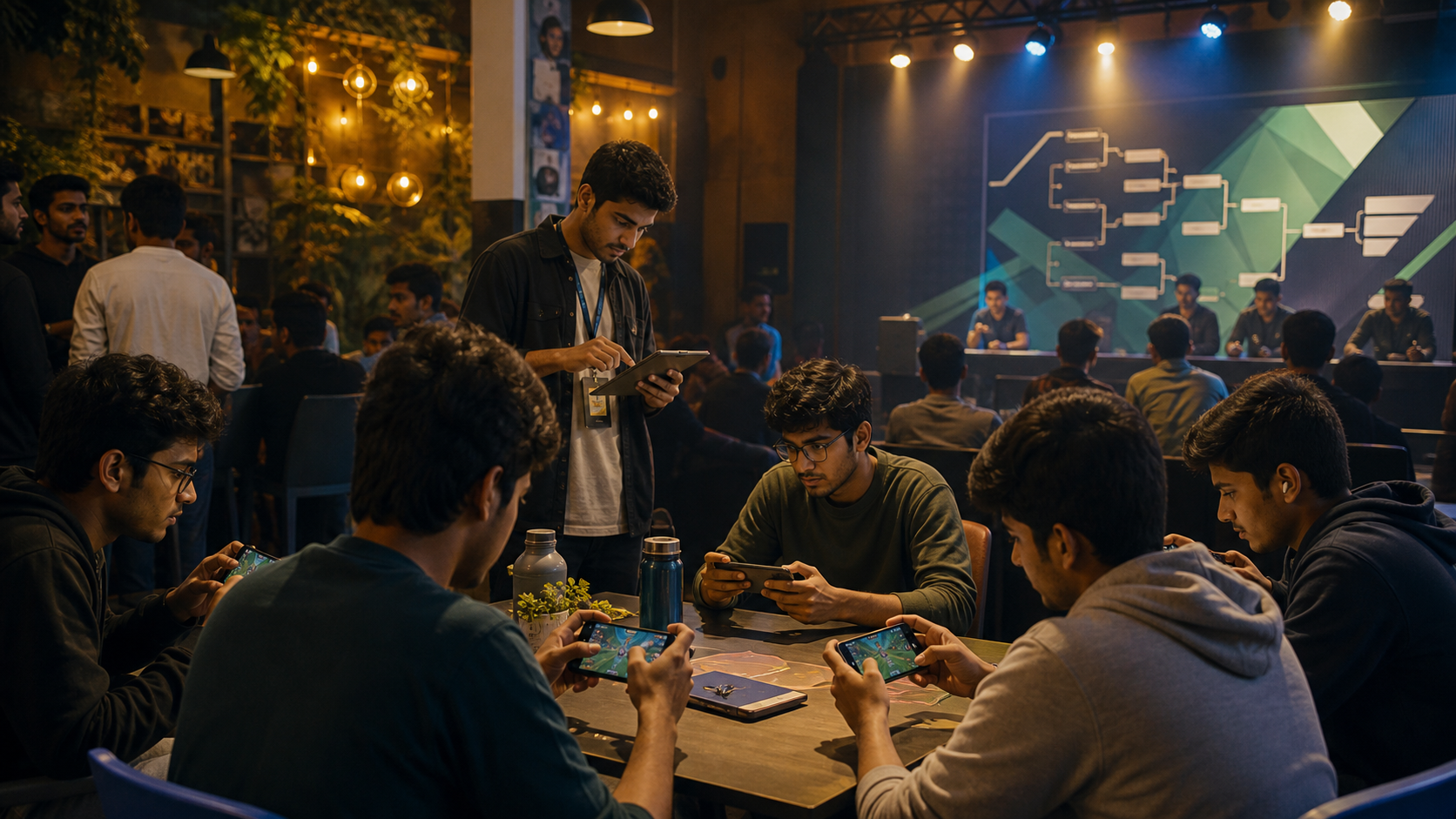
One of the strongest lessons from recent Indian BGMI competition is resilience. A tournament is rarely a straight line. Teams start slowly, lose fights, make rotation mistakes, and face pressure from fans and opponents. The squads that survive are not always the ones that look perfect early. They are the ones that keep adapting.
BMPS 2026 gave the community another reminder that Indian esports is becoming more demanding. Big finals, large audiences, and high expectations create emotional pressure. For local players, this is not just a spectator story. It is a lesson in how to handle bad starts.
Why Resilience Is a Competitive Skill
Many players treat resilience like a motivational word. In tournaments, it is practical. Resilience means a team can lose a fight and still communicate clearly in the next match. It means the in-game leader does not panic after a poor rotation. It means the support player keeps doing the small jobs even when the scoreboard looks bad.
A team without resilience becomes emotional. Calls become louder, blame spreads, and the next match starts before the previous mistake is understood. A resilient team resets faster.
Bad Starts Are Normal
Every competitive format creates variance. A vehicle may be missing. A zone may pull away. A third party may arrive at the worst time. A player may disconnect. A squad may lose a fight it normally wins. None of this automatically means the team is bad.
The danger is overreaction. Teams that change everything after one bad match create more instability. Better teams identify whether the mistake was strategic, mechanical, or simply situational.
How Local Squads Can Build Reset Habits
A reset habit should be simple. After each match, take one minute to calm down. Then identify one controllable issue. Do not discuss ten mistakes at once. Pick the biggest one and decide what changes next.
For example, if the team died while rotating late, the next match goal is earlier movement. If the team lost because no one saved utility, the next match goal is smoke discipline. If comms became messy, the next match goal is shorter calls.
The Role of the IGL
The in-game leader carries emotional responsibility. This does not mean the IGL must be silent or perfect. It means the IGL sets the tone. If the IGL panics, everyone feels it. If the IGL resets calmly, the squad has a chance to recover.
Local IGLs should practice clear phrases. Say what happened, what changes, and what the next goal is. Avoid speeches during the match. Save deeper review for later.
Why Practice Should Include Pressure
Practice without pressure can create false confidence. A squad may dominate casual matches but struggle when prize money, ranking, or audience attention appears. That is why local tournaments are valuable.
Even small prize events create nerves. Players learn how their hands feel under pressure, how their calls change, and whether they become too aggressive or too passive. This information is useful.
What Organizers Can Learn
Organizers can help resilience by running stable events. If room details are late, rules are unclear, or results are disputed, players face avoidable stress. Clean operations let teams focus on performance rather than confusion.
A good tournament environment does not remove pressure. It removes unnecessary chaos.
The Fan Side of Resilience
Fans also shape the scene. Indian esports fans are passionate, but public criticism can become harsh quickly. A healthier community can discuss mistakes without turning every bad result into personal attack.
Players perform better in scenes where criticism is intelligent. Say the rotation was late. Say the team lacked utility. Say the map plan failed. Avoid lazy abuse. Better fan culture creates better competitive culture.
How to Review a Comeback
When a team makes a comeback, do not only celebrate the final score. Study what changed. Did they avoid early fights? Did they switch drop paths? Did the IGL slow the tempo? Did support utility improve? Did they choose placement over ego fights?
Comebacks are full of lessons because they show adjustment under pressure.
Key Takeaways
Resilience is not just attitude. It is a practical tournament skill that helps teams recover from bad starts.
Local squads can train resilience by using simple reset routines, focused review, and regular tournament exposure.
Organizers and fans also influence resilience by creating fair, stable, and intelligent competitive environments.
Conclusion
BMPS-level stories inspire because they show the emotional side of esports. Talent matters, but tournaments test more than aim. They test patience, recovery, leadership, and trust. For India's local BGMI squads, the lesson is clear: a bad start is not the end if the team knows how to reset.