18 Aug 2026
Blog
College Esports In India: Why Campus Gaming Can Build Better Competitive Habits
College esports can become one of India’s strongest grassroots layers if campus tournaments teach structure, fair play, teamwork, scheduling, and responsible competition.
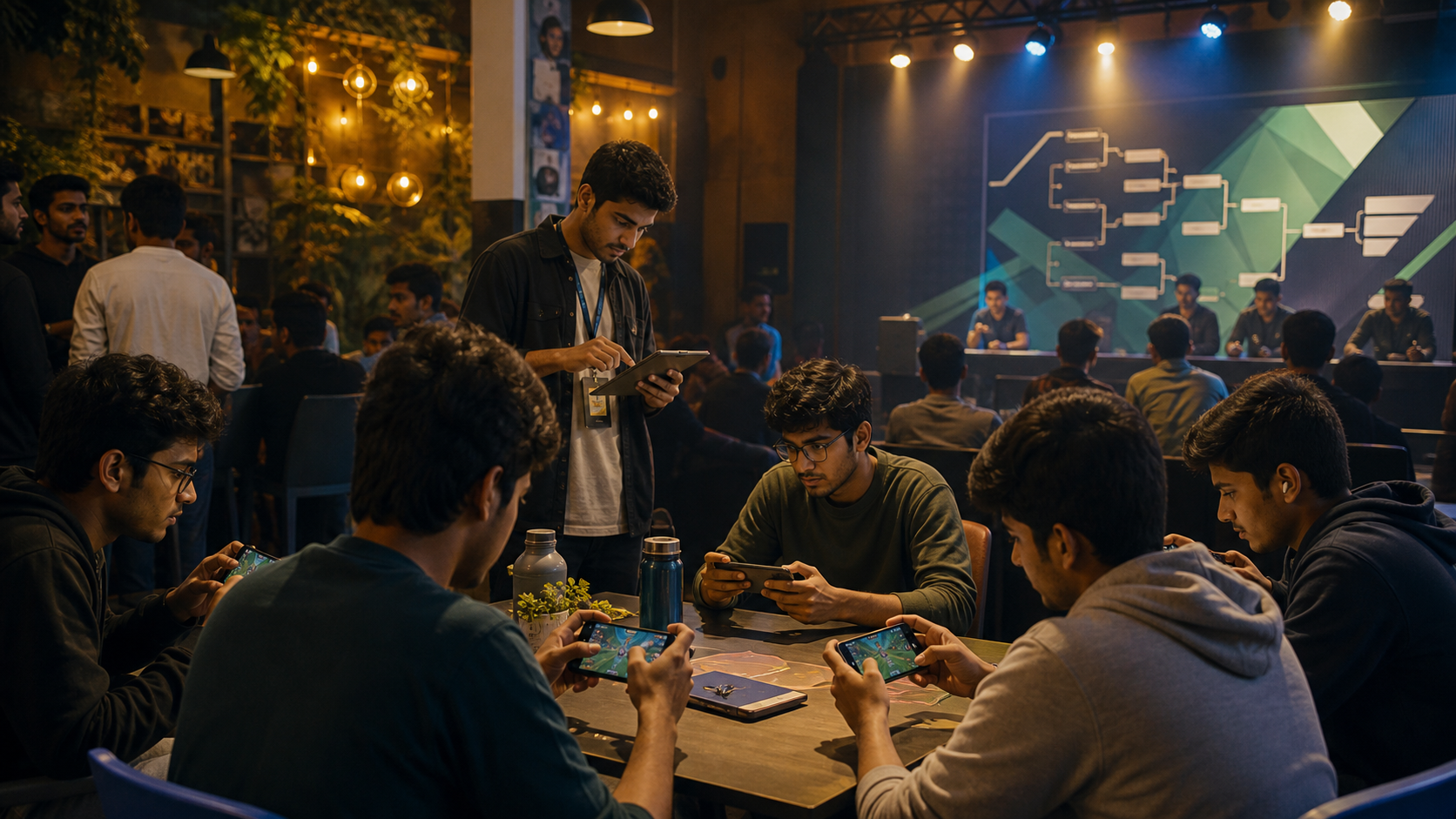
College gaming is one of the most important but underrated layers of Indian esports. It sits between casual play and serious competition. Students already form squads, watch creators, join Discord or WhatsApp groups, and play after classes. The challenge is turning that energy into a healthier competitive culture.
A good campus tournament is not just a fun event. It can teach scheduling, teamwork, fair play, communication, leadership, and responsible gaming. Those habits stay with players even if they never become professionals.
Why Colleges Matter To Esports
Colleges create natural communities. Students see each other regularly, form teams quickly, and build rivalries that feel personal. This makes campus esports more emotionally engaging than random online lobbies.
Colleges also provide a safer structure when events are handled well. There can be named organizers, venue rules, student volunteers, faculty awareness, and clearer communication. That structure helps parents and institutions understand gaming as organized competition rather than uncontrolled screen time.
The Difference Between Campus Fun And Campus Esports
A casual gaming night can be messy and still enjoyable. A campus esports event needs more structure. Players should know the schedule, format, rules, device requirements, scoring system, reporting method, and code of conduct.
Without structure, disputes become personal. With structure, students learn how organized competition works.
What Students Learn From Tournaments
Students learn planning. A team has to register, arrive on time, assign roles, warm up, follow instructions, and handle pressure. These are useful life skills, not just gaming habits.
They also learn teamwork. A BGMI squad cannot function if everyone plays for individual clips. A VALORANT team cannot win consistently if communication collapses. A Free Fire team cannot survive if players ignore spacing and trades.
Fair Play Should Be Central
Campus esports should be strict about fair play. Cheating, account sharing, toxic abuse, and result manipulation damage the event and the reputation of gaming on campus. Organizers should publish rules early and enforce them calmly.
Fair play also means treating beginners respectfully. A healthy campus scene should welcome new players while still rewarding strong competition.
Why Smaller Events Are Useful
Not every campus event needs a huge stage. Smaller leagues, weekend cups, inter-department matches, and practice scrims can be more useful because they create repetition. Students improve when they play structured matches regularly, not only one festival final.
Repeated events also help discover organizers, casters, observers, editors, and analysts. Campus esports can create multiple roles, not just player slots.
Content Around Campus Esports
Campus tournaments should document stories. Which team improved? Which player handled pressure well? Which department built the best strategy? What lessons did beginners learn? These stories make the event memorable.
Written recaps, short interviews, photo galleries, and match notes can help campus esports feel legitimate. They also give students portfolio material if they want to enter gaming media, event management, or content creation.
Responsible Gaming Matters
Colleges should promote balance. Esports should not encourage students to ignore studies, sleep, health, or personal responsibilities. A responsible tournament calendar respects academic schedules and sets reasonable timings.
This balance makes gaming easier to defend in front of families and institutions. Responsible structure helps esports grow sustainably.
How Platforms Can Support Campus Events
Platforms can help by providing clean registration, slot tracking, room information, result submission, leaderboards, and reward records. These tools reduce the burden on student organizers.
A campus organizer should spend more time improving the event experience and less time chasing screenshots or answering the same room-detail questions repeatedly.
What Players Should Do Before A Campus Event
Players should form roles early, test devices, confirm internet options, understand rules, and practice communication. A last-minute team can still have fun, but a prepared team learns more.
Players should also respect the event team. Student organizers are often learning too. Clear communication from players makes the event smoother for everyone.
Key Takeaways
College esports can build the next layer of Indian gaming culture.
Campus tournaments teach structure, communication, fair play, leadership, and responsible competition.
Smaller repeated events may be more valuable than one large annual event if they help students improve.
FAQ
Should colleges allow esports events?
Yes, when they are structured responsibly with clear rules, timing, moderation, and academic balance.
Which games work well for campus esports?
BGMI, Free Fire, VALORANT, Counter-Strike 2, EA Sports FC, chess, and other competitive titles can work depending on devices, internet, and student interest.
Can non-players participate?
Yes. Campus esports needs organizers, casters, designers, editors, photographers, analysts, and social media volunteers.
Conclusion
Campus gaming can become one of India’s strongest esports foundations if it is handled with care. The goal is not only to crown winners. The goal is to teach students how fair competition works, create community stories, and build habits that make Indian esports stronger over time.