17 Aug 2026
Blog
India's Gaming Community in 2026: Why the Next Growth Phase Looks More Serious
A grounded look at why India's gaming community is moving from casual excitement toward stronger tournaments, creator pathways, local events, and long-term ecosystem building.
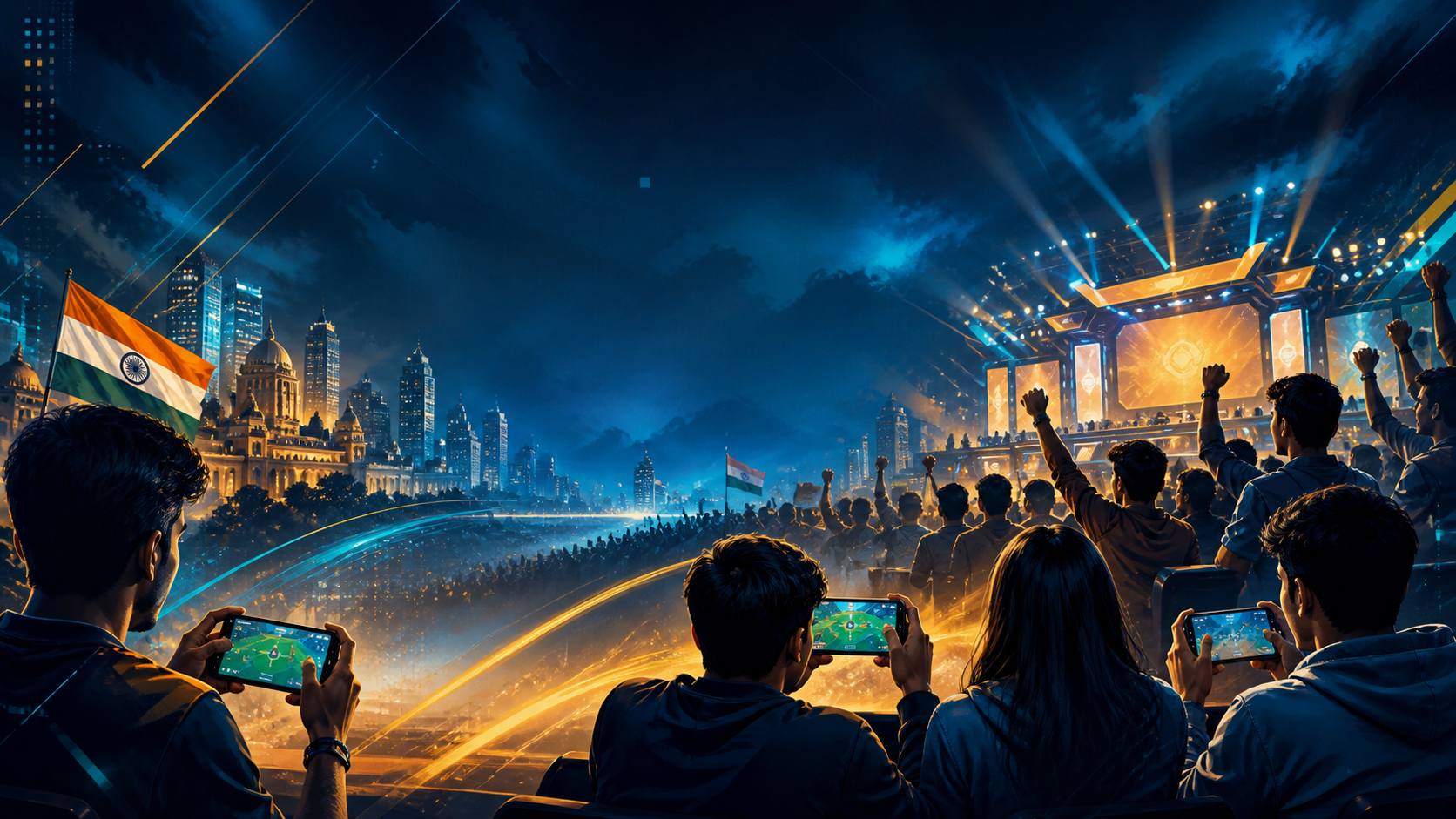
Indian gaming has spent years proving that it is not a temporary internet trend. In 2026, the conversation feels different. The community is no longer only talking about downloads, funny clips, or one big final every few months. Players are asking better questions: how do I improve, where do I compete, which teams are building properly, who is investing in the ecosystem, and how can local communities become sustainable?
That shift matters. A scene becomes stronger when casual energy turns into repeatable structure. India already has the audience. The harder work is building ladders that help a school player, college squad, small-town creator, local organizer, analyst, caster, and semi-professional team move from enthusiasm to opportunity.
Background: From Mobile Habit to Competitive Culture
Mobile gaming became India's gateway because it solved the biggest access problem. A console or expensive PC was not required for millions of players to experience competitive tension, squad communication, quick decision-making, and community identity. BGMI, Free Fire, mobile cricket games, and other titles helped gaming become a shared social language.
But access alone does not create a mature scene. A mature scene needs trusted tournaments, fair rules, reliable rewards, coaching habits, healthy creator coverage, and consistent community spaces. This is where 2026 feels more important than previous years. Larger events are still exciting, but the real change is happening below the headline level.
What Changed in the Indian Gaming Conversation
The biggest change is seriousness. More players now understand that performance is not just reflex. It includes scheduling, review, role clarity, network stability, emotional control, and clean communication. Community organizers are also becoming more careful about registration, anti-cheat checks, room management, result verification, and payout transparency.
This is exactly the gap Rush Play Zone can serve. Big tournaments inspire players, but local systems help them practice the real habits that make competition meaningful.
KRAFTON's Ecosystem Push Shows the Direction
KRAFTON India's 2026 roadmap and wider India activity show that major publishers are thinking beyond one event cycle. The roadmap talks about bigger editions of BGIS, BMPS, BMSD, and BMIC, city-based reach, open tournaments, and annual recognition for gaming talent. That kind of structure matters because it tells young players that there can be a calendar, not just isolated hype.
For players, this creates motivation. For organizers, it creates a model. For creators, it creates stories to follow across the year. For small communities, it creates a reason to prepare earlier and treat every local tournament as a stepping stone.
Why Grassroots Events Still Matter
Large stages get attention, but grassroots events create volume. A player does not become finals-ready by watching finals alone. They need rooms where mistakes are visible, teammates are tested, and pressure becomes normal.
Good local tournaments teach basic discipline. Players learn to register correctly, join rooms on time, follow match instructions, submit details accurately, and respect result processes. These habits may sound small, but they are the foundation of competitive trust.
The Indian gaming community needs more of this middle layer. Not every event needs a giant prize pool. Some events should exist to train players, create fair leaderboards, and build confidence.
The Creator Layer Is Becoming More Important
India's gaming culture is powered by creators. They explain updates, entertain fans, review matches, introduce new players, and keep the scene active between tournaments. But the next phase needs more than reaction content. It needs explainers, interviews, local reports, player development stories, and practical guides.
A strong gaming website should not only repost announcements. It should explain what those announcements mean. If a roadmap adds more open tournaments, what should a beginner do next? If a LAN pulls big attendance, what does that say about offline esports demand? If a team rises from a difficult start, what can local squads learn from that resilience?
Practical Advice for Players in 2026
Players should treat this year as a preparation window. Build a reliable squad, decide roles early, keep screenshots of tournament evidence, practice rotations instead of only hot drops, and maintain a calm review habit after every loss.
Players should also protect themselves. Avoid suspicious paid slots, keep UPI and identity details secure, and prefer tournaments with clear rules, visible organizers, and transparent payout processes. A growing community attracts opportunity, but it also attracts shortcuts and scams.
Practical Advice for Organizers
Organizers should focus on trust. The strongest local tournaments are not always the ones with the biggest prize pool. They are the ones where rules are clear, room IDs are sent on time, results are checked fairly, rewards are recorded properly, and disputes are handled without drama.
A clean tournament page, clear registration flow, visible slots, match countdowns, and public result history all help players feel safe. If Indian esports wants mainstream respect, basic operations must feel professional even at community level.
Key Takeaways
India's gaming scene in 2026 is moving toward structure. Mobile access created the base, but trust, training, content, and organized events will decide long-term quality.
Grassroots tournaments are not small if they build real habits. They are where future competitive players learn discipline before they ever reach a larger stage.
Publishers, organizers, creators, and platforms all have a role. The healthiest version of Indian gaming will come from collaboration rather than hype alone.
Conclusion
The Indian gaming community does not need more empty noise. It needs useful coverage, cleaner tournaments, safer participation, and stories that help players become better. If 2026 is handled well, it can be the year Indian gaming feels less like a scattered scene and more like a connected ecosystem.