17 Aug 2026
Blog
Why India's Grassroots BGMI Scene Needs Better Local Tournament Habits
India's BGMI community is full of talent, but grassroots tournaments need stronger habits around rules, room sharing, results, rewards, and player trust.
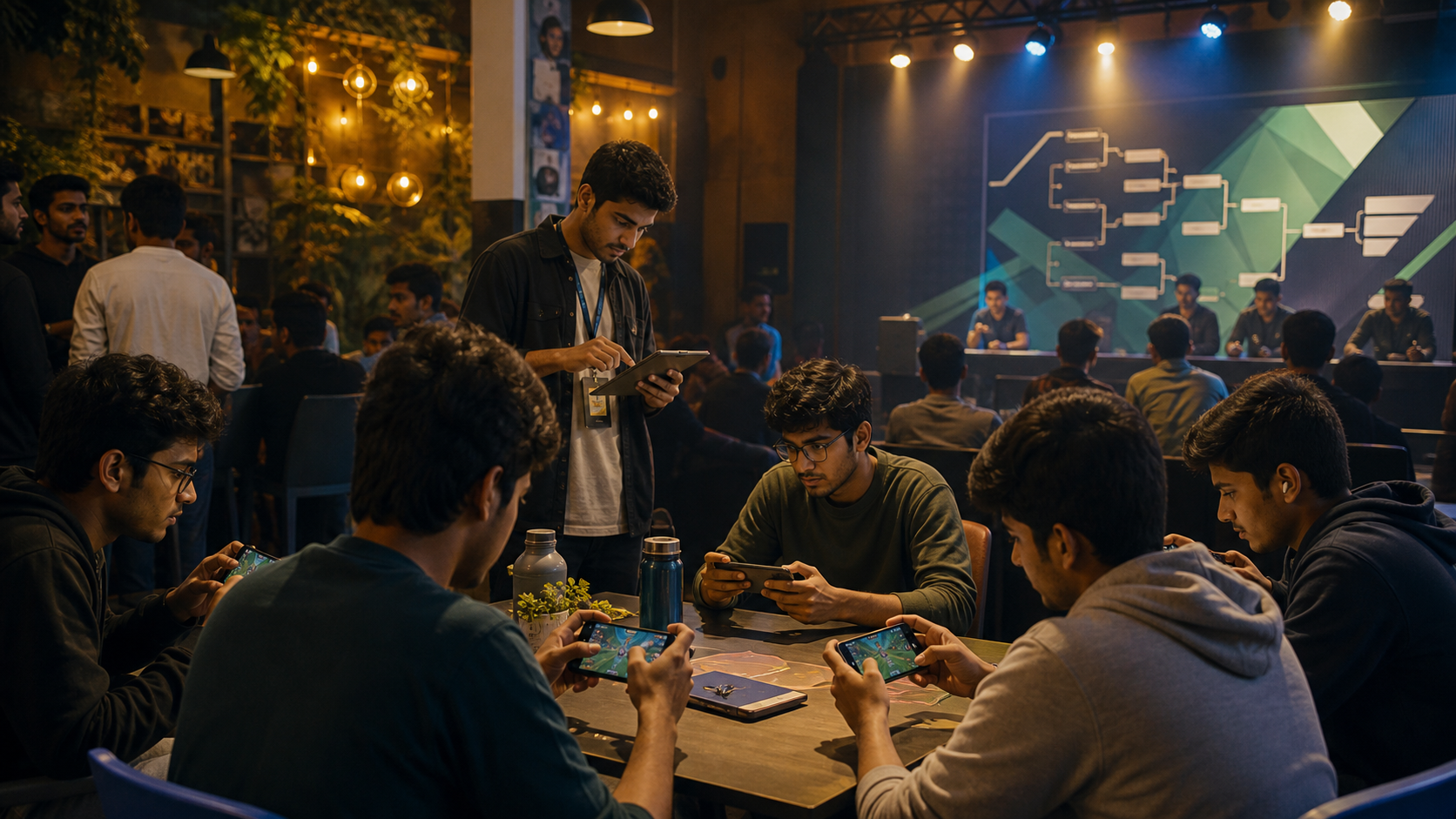
The future of Indian BGMI will not be decided only by the biggest teams. It will also be shaped by thousands of smaller rooms where new players learn how competition feels. These local events may not have giant prize pools or stadium lights, but they create the daily culture that supports the entire ecosystem.
If grassroots tournaments are messy, players lose trust. If they are fair and consistent, players return, improve, and bring friends. That is why local tournament habits matter so much.
The Problem With Casual Organization
Many community tournaments begin with good intentions. An organizer creates a poster, opens registration, collects teams, sends a room ID, and hopes everything goes smoothly. But problems appear quickly: duplicate entries, wrong team names, unclear slot limits, late room details, missing screenshots, reward disputes, and arguments about kills.
None of these problems are unusual. They happen because tournament operations are more complex than they look. A good match needs a system before the match starts.
Registration Should Be Simple but Serious
Registration is the first trust point. Players should know what they are joining, when the match starts, how many slots are available, what format is being played, and what the reward structure is. If entry fees exist, the payment process must be clear.
Players should not have to guess. A clean registration page reduces confusion and makes the event feel legitimate. It also protects organizers because rules are visible before disputes begin.
Room ID Timing Matters
Room ID and password sharing is one of the most sensitive moments in a BGMI tournament. Send details too early and leaks become possible. Send them too late and players panic. A clear rule, such as sharing details shortly before match time, creates predictability.
The message should be short and useful. Players need the room ID, password, and a clear reminder that the match starts soon. Extra clutter only increases confusion.
Results Need Evidence
Result submission should not depend on memory or personal claims. Ranking, kills, screenshots, match details, and player/team identity should be captured clearly. For duo and squad formats, individual performance should also be recorded where possible, because top-player leaderboards depend on player-level data.
Evidence protects honest players. It also gives organizers confidence when distributing prizes.
Reward Distribution Builds or Breaks Trust
A tournament is remembered by how it ends. If rewards are delayed, unclear, or changed without explanation, players may not return even if the match itself was fun. If rewards are recorded and handled transparently, players feel respected.
Organizers should keep notes. If a team is not rewarded because of a rule issue, the reason should be documented. If payment is completed, the record should be locked from accidental edits. This kind of discipline turns a small event into a trusted event.
Player Safety Is Part of Quality
Gaming communities grow faster when players feel safe. That means banning abusive behavior, discouraging scams, protecting private details, and giving players a clear contact path when something goes wrong.
This is especially important in paid or reward-based tournaments. Players may share phone numbers, UPI IDs, screenshots, and team details. Platforms must treat that information responsibly.
Why Local Events Should Publish Stories
A grassroots tournament can create more than a result. It can create a story. Who won? Which player clutched? Which team improved after a bad start? Which squad showed strong rotations? These stories help communities feel alive.
Publishing clean recaps also helps search quality. A recap with real match context, verified winners, and lessons for players is more valuable than generic esports filler.
Key Takeaways
Grassroots BGMI events are important because they create the practice environment for future serious players.
Trust depends on registration clarity, room timing, evidence-based results, transparent rewards, and player safety.
Local tournaments should publish real recaps and learning notes instead of relying only on posters and WhatsApp messages.
Conclusion
India's BGMI scene is already passionate. The next step is professionalism at the community level. When small tournaments become cleaner, players improve faster and organizers earn long-term trust. That is how grassroots gaming becomes a real ecosystem rather than a temporary queue of matches.